


Corporate Spinoffs: How to Structure, Finance and Staff Ventures for Success
When a corporate launches a new venture, the early decisions around structure, funding, and talent shape everything that follows. How much equity does the corporate retain? Do you fund it internally or plan for external capital from the start? Who runs it — an internal leader or an external founder? How do you structure equity so the team remains motivated to stay and build?
Too often, these decisions get shaped by internal politics, legal defaults, or whoever happens to be in the room and not by what the venture actually needs. You don't see the misalignment until a key hire walks or an investor passes.
The challenge is that there's no single model. Some corporates retain majority ownership and fund ventures off their own balance sheet. Others take minority stakes, bring in external founders from day one, and plan for VC co-investment. Recruiting for a venture is fundamentally different from hiring for a role in the core business — and studios across Europe and Asia-Pacific have developed very different approaches to sourcing, assessing, and retaining venture talent.
This is a rare conversation between panelists who have built and scaled corporate ventures with some of the world's largest companies across energy, financial services, agriculture, and industrial technology. They've made the calls you're about to make and they'll tell you what they got wrong. Register now.
Language: English
This is for you if you are
- A senior executive in corporate venturing, M&A, or innovation strategy
- A corporate innovation team figuring out how to structure and staff new ventures
- A founder or operator of a corporate-backed venture navigating equity and financing decisions
- Someone in legal or finance who keeps getting pulled into cap table conversations without a framework
What we'll discuss
- How to split equity between the corporate, the studio, and the founding team without killing motivation
- How to finance a venture when the options range from balance sheet to external capital to spinning back in
- How to recruit venture talent and why it's fundamentally different from hiring for the core
- How much governance autonomy to give a venture before it becomes a problem
- How to know when to spin out, when to keep it in-house, and how to structure the transition
Who is hosting this?
Reodor Studios is an innovation studio that works with leading Norwegian and international companies to create growth through new business opportunities, products, and services. The team is made up of experienced entrepreneurs and venture builders, with a focus on de-risking through short projects, clear deliverables, and tangible evidence of whether an opportunity is worth pursuing. This approach has led to partnerships with companies including DNB, Gjensidige, DNV, Aker Biomarine, Storebrand, Fortum and Schibsted.
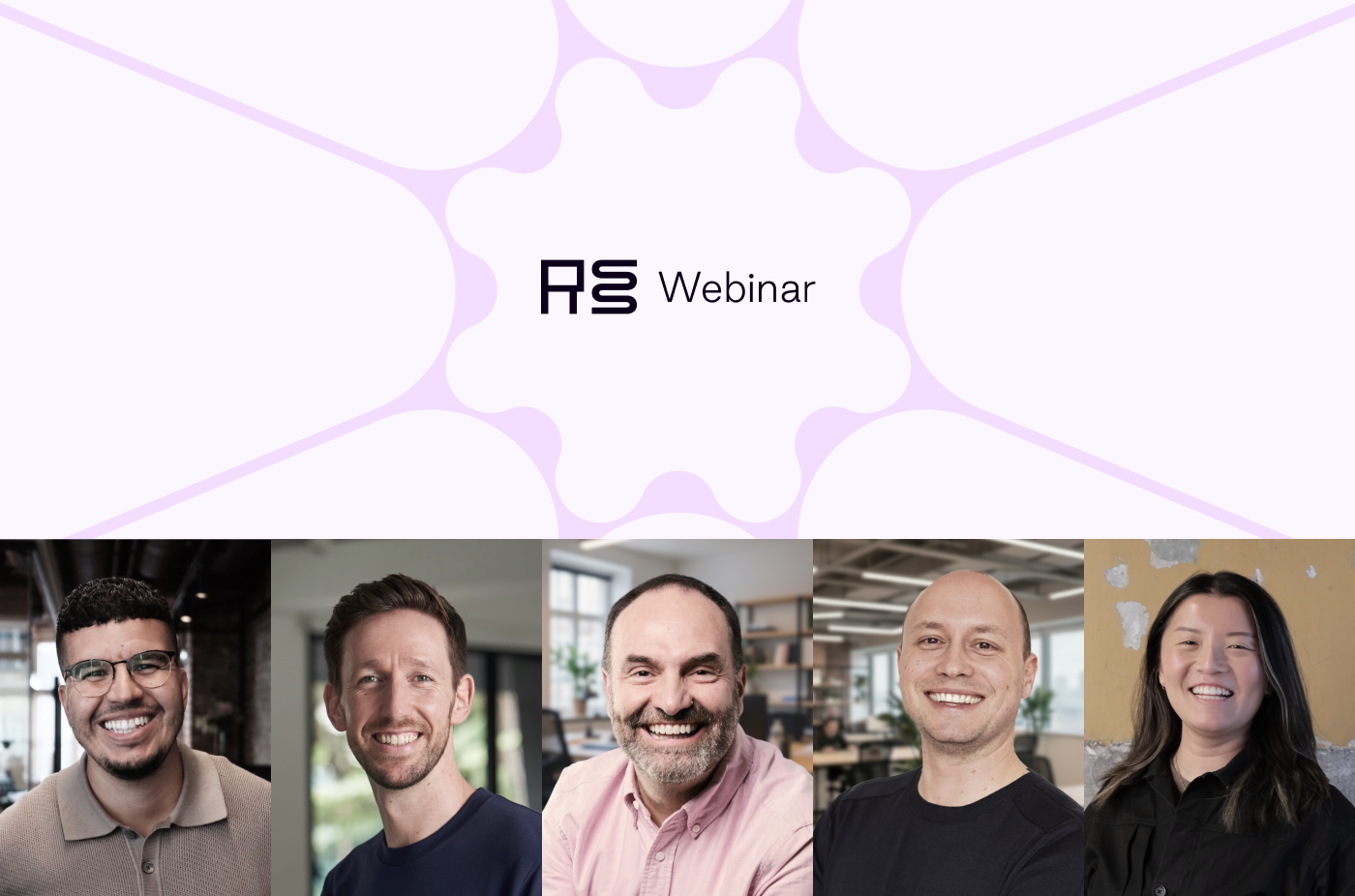
Panelists
Enrique Gonzalez is a Partner at Siemens Energy Ventures, where he guides climate-tech ventures from ideation to scale. He brings over 15 years of experience leading M&A, portfolio management, and venture development across the Siemens and Siemens Energy portfolios.
Samuel Hall is the former CEO of Rainmaking Asia Pacific, one of the region's largest venture studios with over 50 venture builders, before leading its acquisition by Bain & Company in 2023. He's now founder of Ethira, automating continuous monitoring and reporting of third-party risk.
Manuel Hörl is an Equity Partner at V_labs, a leading corporate venture builder in Europe. Previously Head of International Ventures at Creative Dock, where he led the cross-border deals and acquisitions that grew it into Europe's largest independent corporate venture builder.
Nassir Achour is Co-Founder and Group CEO of Reodor Studios. A serial entrepreneur with close to 20 years of experience, he's built and exited companies acquired by Sony Music, and has partnered with Aker, DNV, Fortum, and Posten to build new ventures.
Wendi Lai is a Business Builder at Reodor Studios. Previously part of the New Ventures team at Singapore's Economic Development Board, where she helped corporates launch ventures through the Corporate Venture Launchpad alongside McKinsey Leap, BCG X, and Bain Next. Wendi serves as moderator for this webinar.